


Turkey is consistently one of the most popular destinations for Greek travelers. From cosmopolitan Istanbul to the shores of the Aegean and the impressive landscapes of Cappadocia, the country combines history, gastronomy and intense everyday life. But first, organize your bags and schedule, there is a basic practical issue that needs attention: Turkey's currency and the right way to manage foreign exchange.
Turkey is not part of the Eurozone and does not use the Euro as its official currency. Its national currency is the Turkish lira, and the vast majority of transactions take place in it. Although Euros may be accepted in tourist areas, everyday financial life operates entirely in pounds. If you are traveling for the first time, this guide will help you understand what applies, what to expect and why it is important to do it early your euro to turkish lira exchange rate.
What currency does Turkey use?
The official currency of the country is lira, with international code TRY. The lira is a mainstay of the Turkish economy and is used in all daily transactions, from shopping and restaurants to hotels and transportation. Shop prices are listed in pounds and local businesses operate based on the exchange rate.
Although the euro is widely recognisable, especially in tourist areas, its use is not official. In several cases, when a business accepts euros, the conversion takes place at a less favorable exchange rate. This means that paying in local currency is usually the most advantageous option for the traveller.
 A little history about the Turkish lira
The Turkish lira has deep roots in the country's history. The first Ottoman lira was introduced in the 19th century, during the period of modernization of the Ottoman Empire. After its establishment Republic of Turkey 1923 by Mustafa Kemal Atatürk, the pound was established as the official currency of the new state.
At the beginning of his decade 2000, Turkey faced severe inflation, which led to monetary reform. The 2005 six zeros were removed from the currency and the "New Turkish Lira" was introduced, which a few years later reverted to the name "Turkish lira". This development reflects the close connection of the currency with the economic and political changes of the country.
Banknotes and coins in Turkey
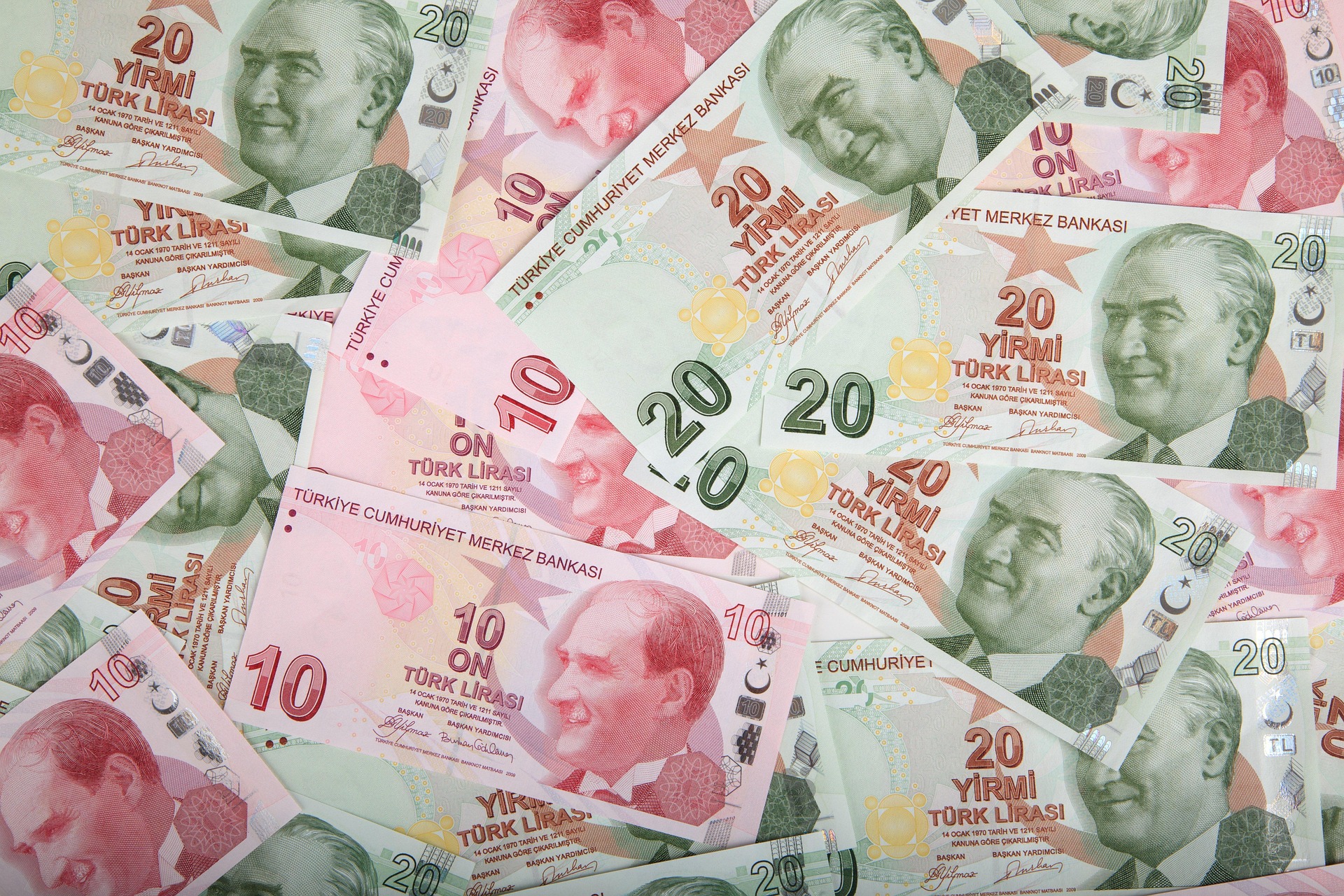
In everyday life you will mainly use banknotes, with more common denominations of 20, 50, 100 and 200 pound. Smaller denominations are also in circulation, as well as coins, which are used in small transactions. The banknotes they depict Mustafa Kemal Atatürk on the obverse, underlining his importance as the founder of modern Turkey.
Familiarizing yourself with denominations before traveling helps you avoid mistakes and misunderstandings, especially in crowded places or markets where transactions happen quickly.
Payments in Turkey: Card or cash?
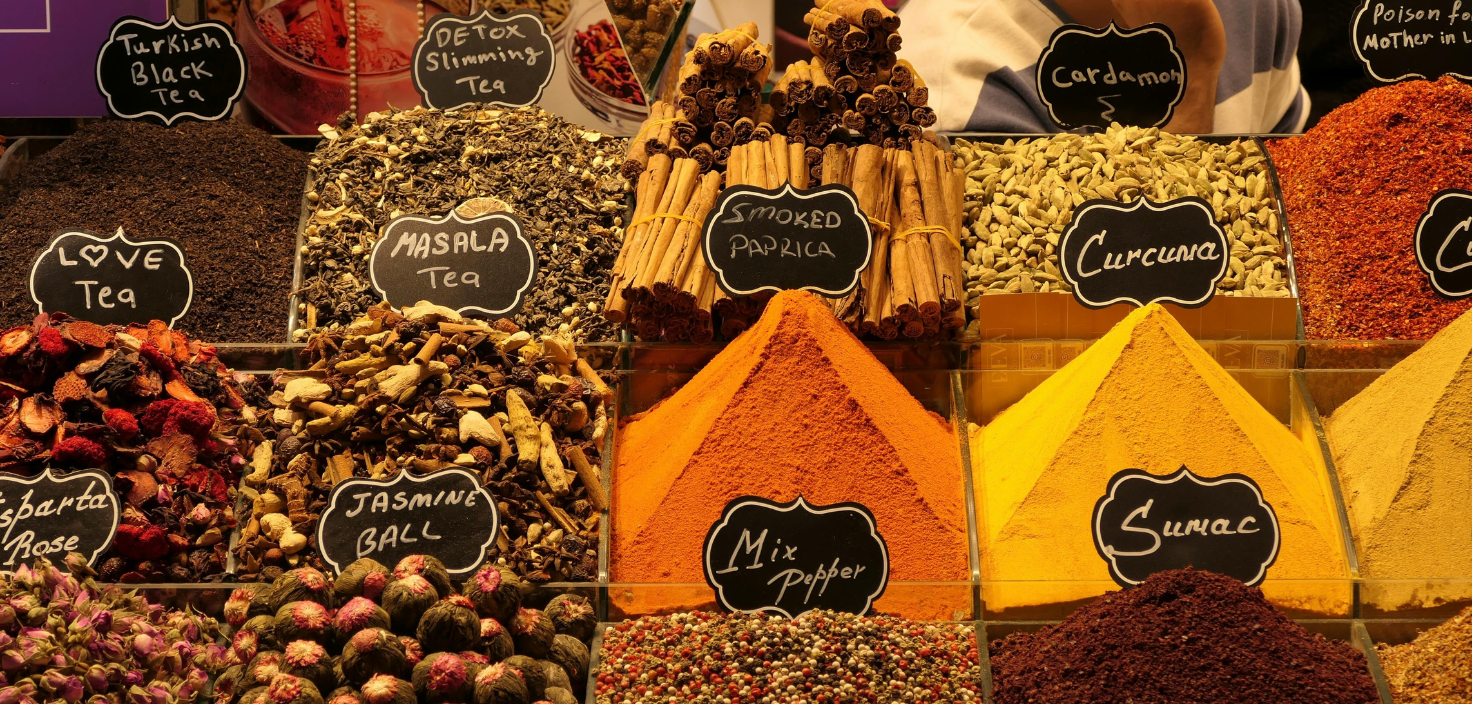
The use of cards is widespread in large cities, in shopping malls, in hotels and restaurants. However, cash still plays an important role, especially in local markets, small shops, taxis and traditional bazaars. In many cases, paying in pounds makes the transaction easier and avoids any extra conversion fees.
Furthermore, bank fees for foreign currency transactions may add to the final amount you will see in your account. That's why it's important to know your bank's fees in advance and have cash available for daily needs.
 Where to do foreign exchange safely
Η ισοτιμία ευρώ – τουρκικής λίρας παρουσιάζει συχνά διακυμάνσεις. Αυτό σημαίνει ότι το πού και πότε θα κάνεις το συνάλλαγμά σου έχει σημασία. Ανταλλακτήρια σε αεροδρόμια ή τουριστικά σημεία ενδέχεται να προσφέρουν λιγότερο ευνοϊκές ισοτιμίες, ενώ δεν είναι σπάνιο να υπάρχουν προμήθειες που δεν είναι άμεσα εμφανείς.
Η πιο ασφαλής και συμφέρουσα επιλογή είναι να οργανώσεις το συνάλλαγμά σου πριν την αναχώρηση, σε αξιόπιστο ανταλλακτήριο με διαφάνεια στις ισοτιμίες και χωρίς κρυφές χρεώσεις. Έτσι γνωρίζεις ακριβώς τι ποσό λαμβάνεις και μπορείς να προγραμματίσεις με ακρίβεια τα έξοδά σου.
Με την Capital Exchange μπορείς να προμηθευτείς τουρκικές λίρες με ξεκάθαρη ισοτιμία και χωρίς προμήθεια, αποφεύγοντας δυσάρεστες εκπλήξεις στο εξωτερικό. With stores throughout Greece and the possibility of online ordering, η διαδικασία είναι απλή, γρήγορη και ασφαλής.
Conclusion: Τι να θυμάσαι πριν ταξιδέψεις
Η τουρκική λίρα δεν είναι απλώς το νόμισμα της Τουρκίας. Είναι βασικό εργαλείο για να κινηθείς άνετα, να κάνεις τις αγορές σου χωρίς άγχος και να αξιοποιήσεις σωστά το ταξιδιωτικό σου budget. Η σωστή προετοιμασία στο συνάλλαγμα σου προσφέρει έλεγχο και διαφάνεια στα έξοδα, ιδιαίτερα σε έναν προορισμό όπου οι διακυμάνσεις της ισοτιμίας μπορεί να επηρεάσουν το τελικό κόστος.
Οργανώνοντας το συνάλλαγμά σου εκ των προτέρων, εξασφαλίζεις ότι ξεκινάς το ταξίδι σου με σιγουριά. Και όταν το πρακτικό κομμάτι είναι τακτοποιημένο, μπορείς να επικεντρωθείς σε αυτό που πραγματικά μετρά: την εμπειρία.
