


Serbia is one of the most up-and-coming and charming destinations for Greek travelers. Combining the rich history, the intense nightlife, affordable prices and a culture that bears surprising similarities to our own, the neighboring country offers experiences that satisfy every type of visitor. From the imposing streets of Belgrade to the tranquil vineyards of Vojvodina and the mountains of the south, Serbia is a country worth exploring bit by bit. But to do this undisturbed, you have to start early by doing exchange rate from euro to Serbian dinar to avoid any kind of unpleasant surprise.
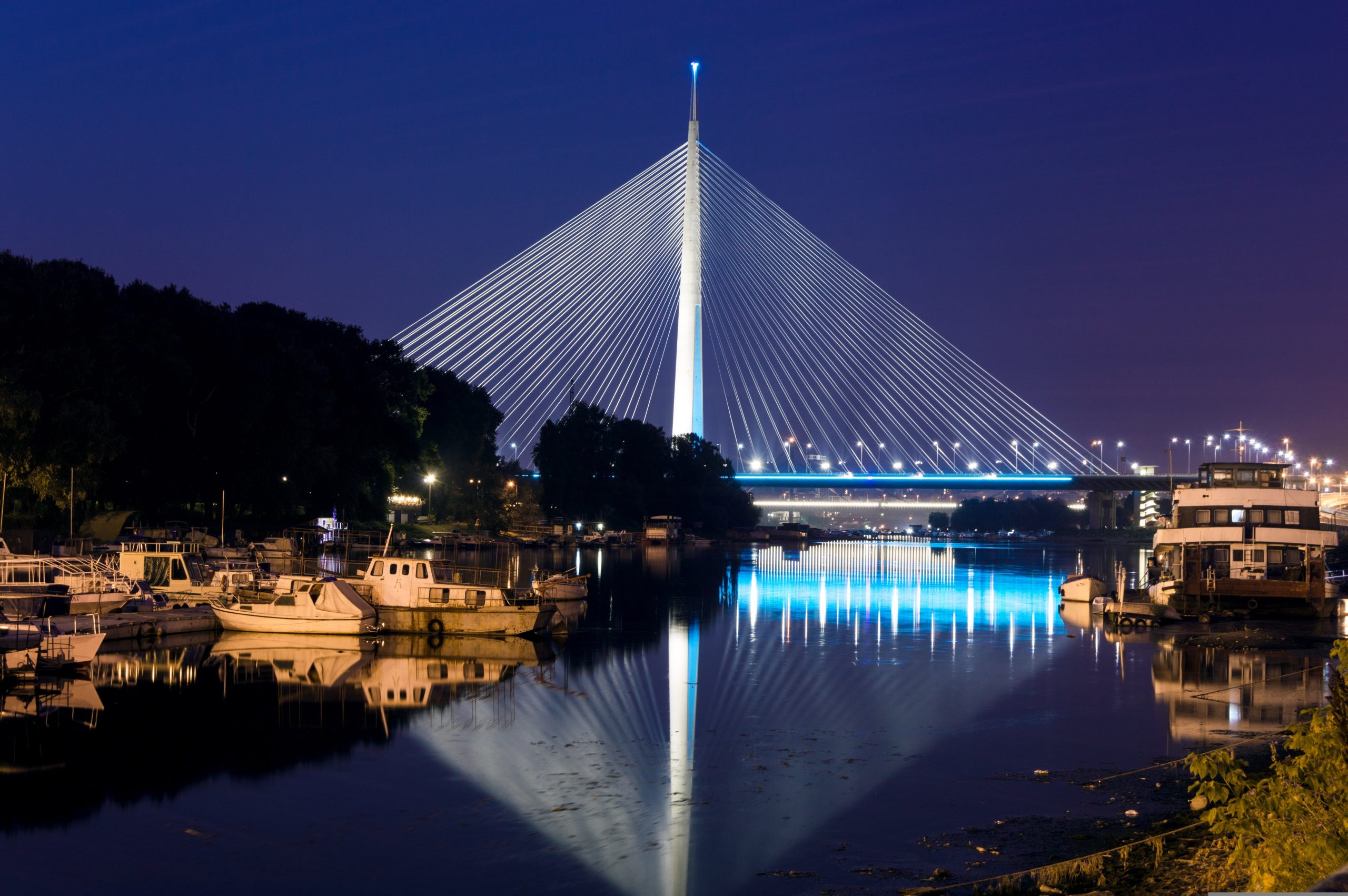 Belgrade: THE “White City” who never sleeps
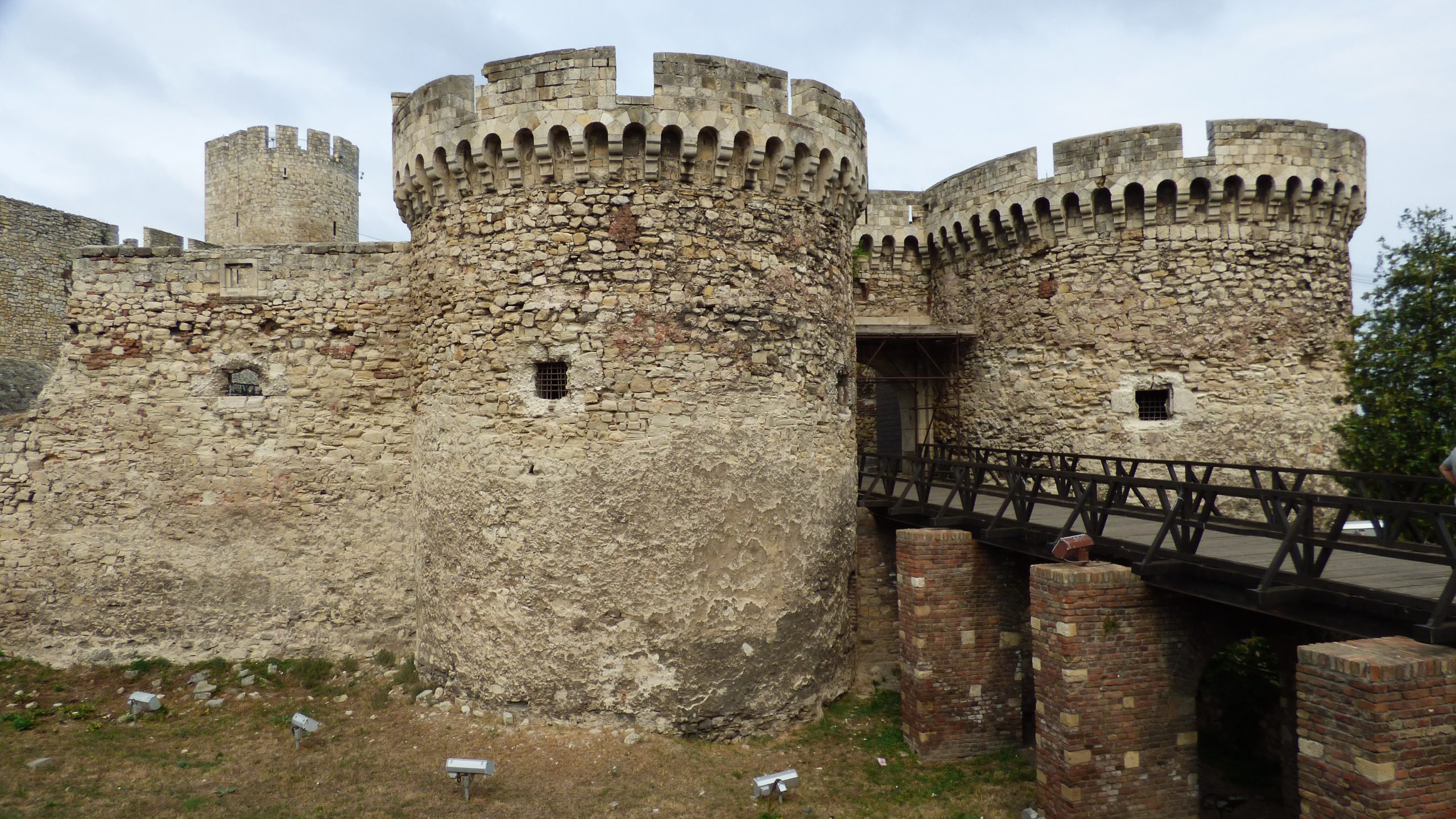
The Belgrade, built at the confluence of the rivers Savo and Danube, it is a capital city with tremendous energy. The landmark of the city is the fortress Kalemegdan, a huge historic site that offers the best view of the sunset over the rivers. Inside the fort you will find military museums, parks and historical monuments that bear witness to the countless sieges the city suffered over the centuries.
The heart of the mall beats on the street Prince Mihailov, one of the most beautiful pedestrian streets in Europe, filled with impressive 19th century buildings, international chain stores and stylish cafes. At the end of the pedestrian street is Democracy Square (Republic Square) with it National Museum. For a dose of nostalgia and tradition, a walk in Skadarlija, the “Montmartre of Belgrade”, it is imperative. There, in the cobbled streets, the traditional taverns (pubs) they serve local flavors to the sounds of live folk music.
You should not miss a visit to Church of Agios Savvas, one of the largest orthodox churches in the world, whose golden mosaic interior is breathtaking. For science lovers, the Nikola Tesla Museum it houses the ashes and personal belongings of the great inventor, offering interactive experiments that impress young and old alike.
Beyond the capital: Novi Sad and Nis
Although Belgrade dominates the interest, Serbia hides treasures in other cities too. The Novi Sad, the second largest city and “Cultural Capital of Europe” for the 2022, it emits a more classy one, Central European air. The Petrovaradin Castle, also known as “Gibraltar of the Danube”, hosts the famous EXIT music festival every summer, while the historic city center with its colorful buildings is ideal for leisurely walks.
In the south, the city Nis (Niš) offers a different experience. It is the birthplace of Constantine the Great and combines Roman heritage with Ottoman influence. THE “Tower of Skulls” (They want the Tower) it is a poignant monument to Serbian resistance, while the fortress of Nis is one of the best preserved in the Balkans. The city is also famous for its excellent gastronomy, with its meats considered the best in the country.
Nature and Alternative Tourism
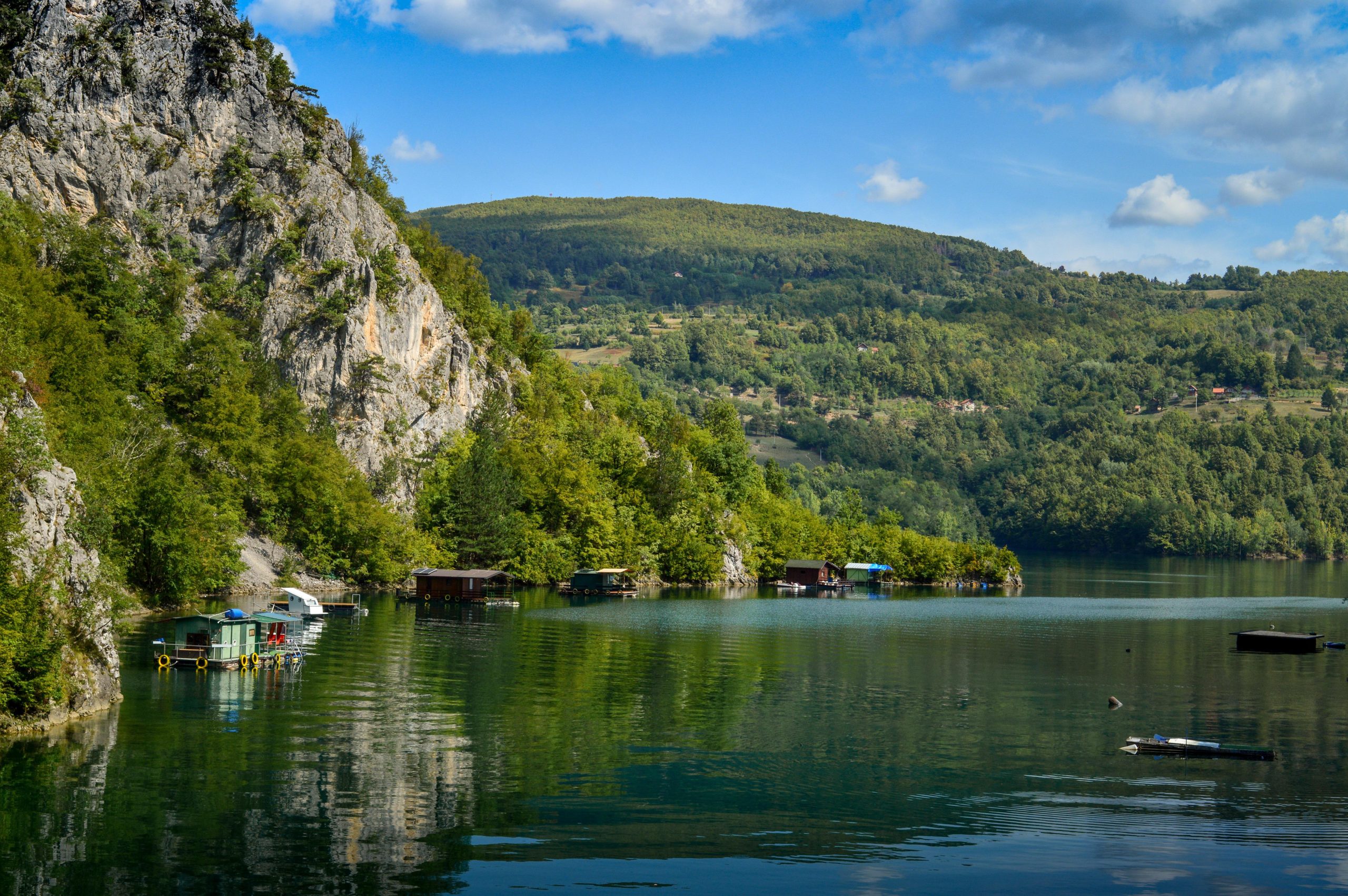
For nature lovers, the Tara National Park and the Zlatibor mountain offer unique landscapes with dense forests, lakes and gorges. Zlatibor is the most popular mountain destination, ideal for skiing in winter and hiking in summer. Also, the Drina river valley with the famous “house on the rock” is one of the most photographed places in Serbia.
If you are looking for relaxation, Serbia has excellent spa towns (banjas), like the Vrnjačka Spa and the Sokobanja, which offer thermal baths and spa services at very affordable prices, following a centuries-old tradition started by the Romans.
Gastronomy: A feast of the senses
Serbian cuisine is rich, tasty and based mainly on meat. The national dish is Ćevapi (small kebabs from a mixture of meats) served with pita, onion and kajmak (a type of cream cheese). Η Burger, the serbian “burger”, it is also extremely popular, especially in the edition “Gourmet” with cheese and bacon.
For cooking lovers, Sarma (dolmades with sauerkraut) and Pasulj (beans with smoked meat) are classic choices. Accompany your meal with a Rakija, the national spirit of Serbia produced from various fruits, with Sljivovica (from plum) to be the most famous. On sweets, you will find influences from both the East (baklava, tulumbes) as well as from Austria-Hungary (strudel, creams).
Useful Information for your Trip
Access to Serbia from Greece is easy, or by air with direct flights to the airport “Nikola Tesla” of Belgrade, or by road through North Macedonia. Greek citizens can enter Serbia with their police ID (new type with Latin characters) or with a passport, without requiring a visa.
Although Belgrade is a modern European capital where digital payments have entered everyday life, carrying cash in local currency remains key to seamless movement and an authentic experience in the city. The use of public transport, the payment in older taxis which often do not have POS terminals, as well as shopping from small kiosks (traffic) or traditional ovens (matter) which are in every corner, require almost exclusively dinars. Even in cases where cards are accepted, carrying change in dinars allows you to tip the traditional way or avoid the banks' hidden currency conversion fees. A visit to one of the exchanges of the Capital Exchange before your departure, will give you the flexibility you need to explore every hidden corner of the Serbian capital without the stress of looking for a payment terminal.
Conclusion
Serbia is a country that pleasantly surprises those who visit it for the first time. It combines security, cleanliness and culture with an authentic, almost “wormwood” beauty and a night life that has nothing to envy of London or Berlin. Whether you are looking for a short City Break in Belgrade, or for a multi-day road trip in the countryside, Serbia will welcome you with open arms and full tables. Make the necessary preparations, find the places you want to visit, secure your currency early and you are ready for a unique trip!
