


Easter is the perfect occasion for an escape like no other. And if this year you're thinking of leaving behind the candles and kourabies and celebrating in a different way, then Prague awaits you with open arms. Castles, bridges, underground beer halls and an atmosphere unlike anywhere else. The Czech capital in Spring is literally a fairytale setting. But before you pack, read this guide to know what awaits you, what is worth seeing, what you should definitely pay attention to and above all make the right preparation. Come in and order your Czech Koruna exchange online here, with 0% supply and the best rate.
Prague and its history
Prague doesn't just have history. It is made of her. Over a thousand years of architectural memory, gothic towers, baroque facades and renaissance buildings harmoniously coexist with a modern and lively urban environment.
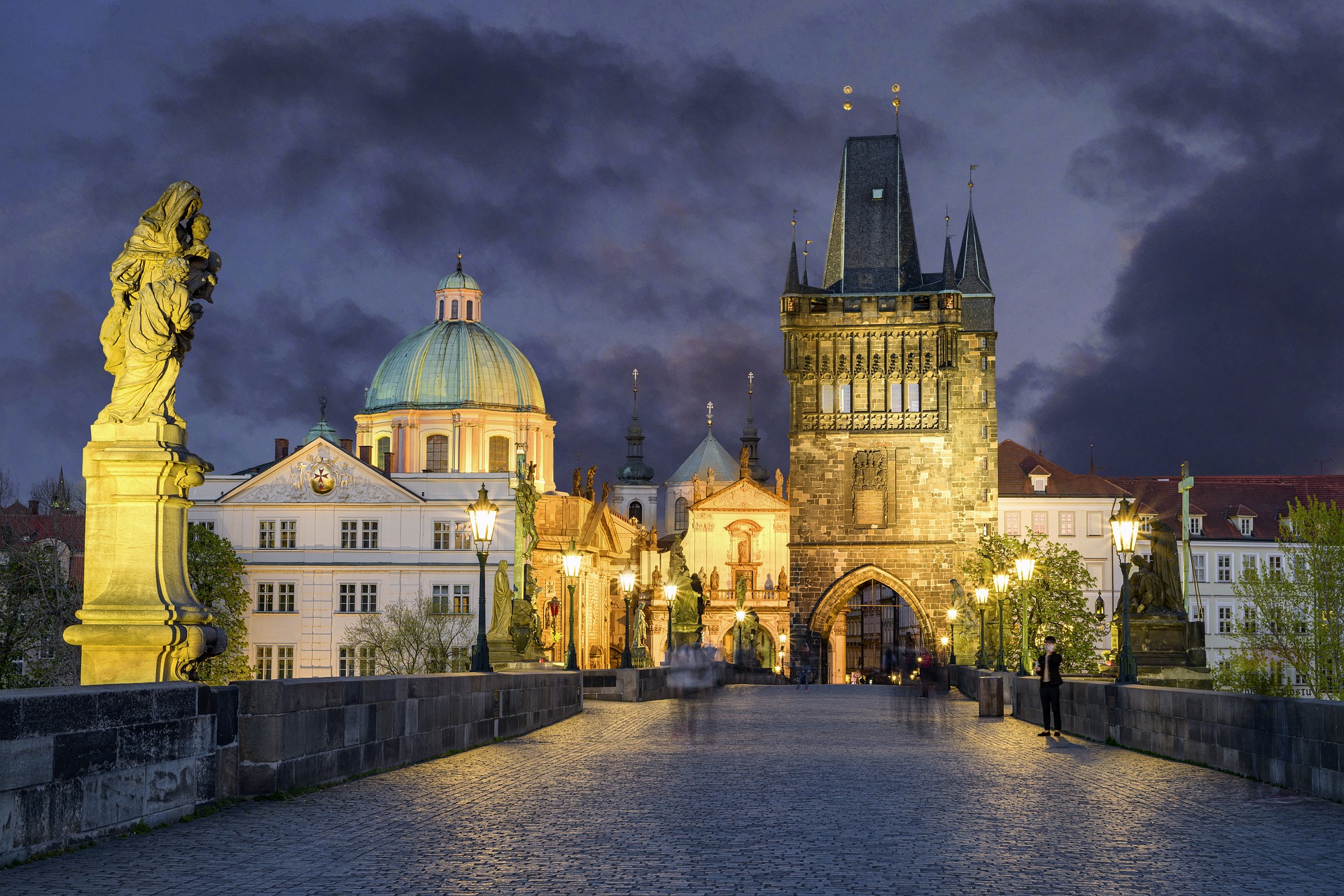
The city is divided in two by the river Vltava. On one side is Malá Strana, the "short side" with the narrows, picturesque alleys and the calm, her romantic aura. On the other, η Old Town, the Old Town, more lively, more commercial, full of life at all hours of the day. The two sides are connected by the iconic Charles Bridge – a stone masterpiece that has stood for centuries, adorned with 30 imposing statues.
Despite the storms of history - wars, revolutions, conquerors – Prague remains intact and dignified. Today it is considered one of the best preserved European capitals, and rightfully occupies a permanent place in the top destinations worldwide.
The sights you shouldn't miss
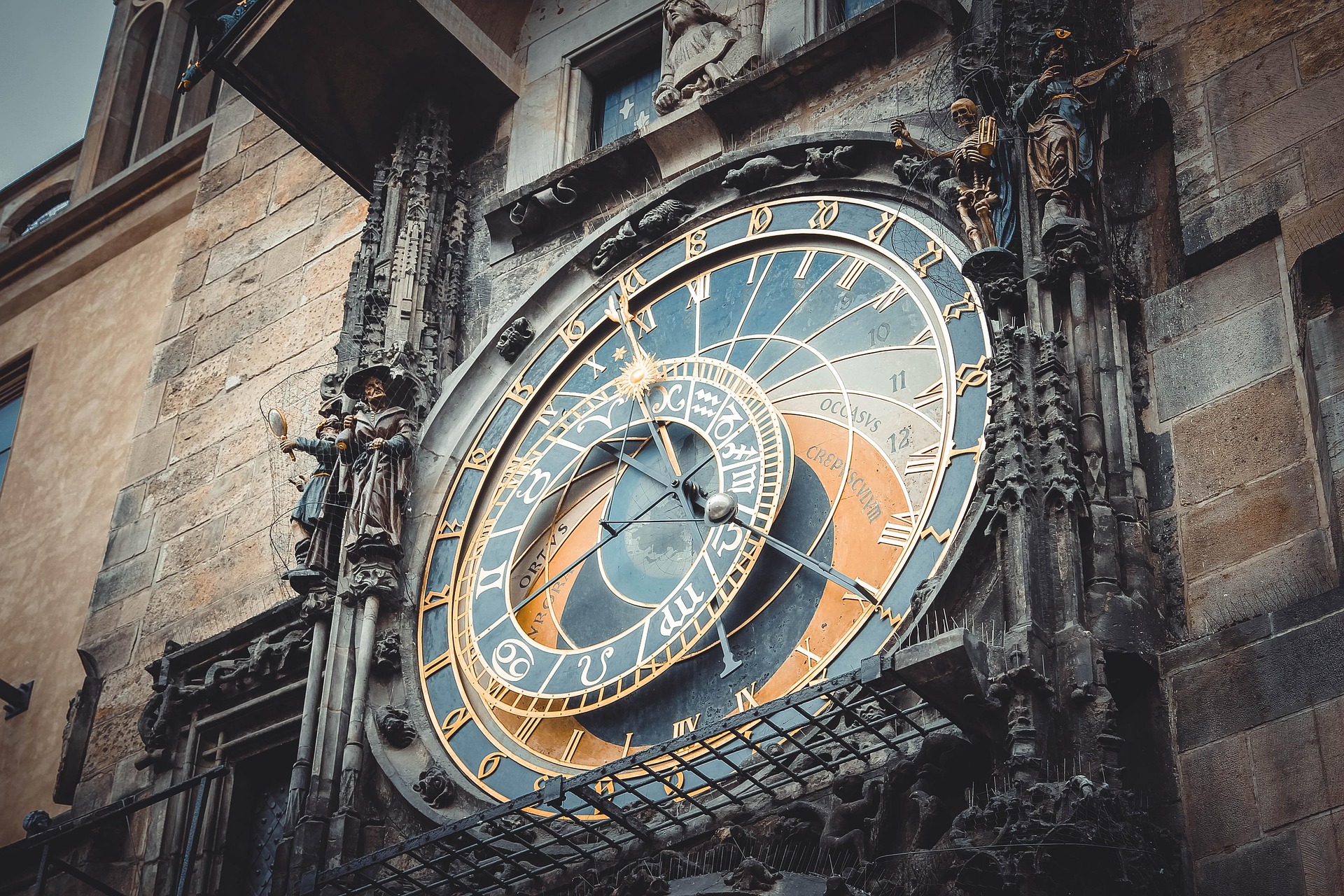
Start your exploration from the Old Town and stop to look at it Astronomical Clock. Every one hour, its mechanisms come to life and the twelve Apostles parade in a small spectacle that captivates visitors of all ages. It was built 1410 and carries with it a dark legend: the rulers of the time blinded its creator, the watchmaker Hanus, so that he does not create something similar elsewhere. But Hanus was not left without an answer – before he left this world, he instructed his student to sabotage the springs, causing the clock to stop for exactly a century.
Λίγα βήματα παρακάτω βρίσκεται το Δημοτικό Μέγαρο, ένα αρχοντικό κτίριο του πρώιμου 20ού αιώνα που φέρει στην πρόσοψή του ένα εντυπωσιακό μωσαϊκό. Δεν είναι απλώς ένα όμορφο κτίσμα – εδώ, the 1918, the first Czechoslovak Republic was proclaimed.
Beyond the Charles Bridge, which is worth crossing slowly and with your eyes open (the date of its establishment, according to legend, chosen by astrologers based on a regressive number: 1-3-5-7-9-7-5-3-1), you should definitely go up to Prague Castle. Είναι ένα από τα μεγαλύτερα κάστρα στον κόσμο και για πάνω από χίλια χρόνια αποτελεί το σύμβολο του τσεχικού κράτους. Εκτός από τα επιβλητικά προαύλια, μη χάσεις το «Χρυσό Σοκάκι». Λέγεται πως εδώ κατοικούσαν αλχημιστές που είχαν υποσχεθεί στους αυτοκράτορες ότι θα μετέτρεπαν μολύβι σε χρυσό. Το αποτέλεσμα; Μάλλον γνωστό.
Food, ποτό και νυχτερινή ζωή
Prague doesn't sleep at night and neither should you. The city's nightlife is a pleasant surprise for first-time visitors: underground bars reminiscent of medieval fortress caves, traditional beer halls where Czech Pilsner flows abundantly, and clubs for every taste and age. If you can handle something more daring, try it Becherovka, το παραδοσιακό τσεχικό λικέρ από βότανα που οι ντόπιοι πίνουν σαν νερό.
Στο φαγητό, η τσεχική κουζίνα είναι απλή, πλούσια και χορταστική: γκουλάς, χοιρινό με ξινολάχανο and dumplings they form the basis of any respectable Czech table. On the streets you will also find the famous trdelnik, a sweet cinnamon roll shaped pastry – good, but more touristy than the stalls selling it care to admit. To eat more authentically, look for small restaurants and local breweries away from the main squares.
Μετακίνηση στην πόλη
Καλά νέα για όσους αποφεύγουν τα ταξί: η Πράγα διαθέτει ένα πυκνό και αξιόπιστο δίκτυο δημόσιας συγκοινωνίας που περιλαμβάνει μετρό, τραμ και λεωφορεία. You can get from one end of the city to the other in half an hour by metro, and stations are almost everywhere. The basic ticket costs approx 40 CZK (around €1.60), while multi-day packages are also available that are worth buying if you stay more than two days.
What you should know before you go
A point that travelers often ignore and are embarrassed upon arrival: the Czech Republic he has no euro. The official currency is the Czech Koruna (CZK), and despite the country's accession to the EU. from the 2004, Prague continues to operate on its own currency – a purely economic policy choice that does not appear to be changing anytime soon. The exchange rate today hovers around 25 CZK for 1 euro.
The cash είναι απαραίτητα. Πολλά εστιατόρια, καταστήματα και μέσα μεταφοράς δεν δέχονται ή δεν προτιμούν κάρτα, οπότε το να έχεις τοπικό νόμισμα στην τσέπη σου δεν είναι απλώς πρακτικό. It is necessary. The best move is to exchange currency before leaving Greece, to avoid exorbitant airport fees and unfavorable exchange rates in the tourist spots of the city. That's why you should visit one of the stores της Capital σε όλη την Ελλάδα.
Μια απόφαση που δεν θα μετανιώσεις
Το Πάσχα στην Πράγα είναι μια ευκαιρία για να ανακαλύψεις μια πόλη που δεν μοιάζει με τίποτα που έχεις ζήσει ξανά. Η πόλη την Άνοιξη ανθίζει κυριολεκτικά – η αγορά, η ήπια θερμοκρασία που σε καλεί για βόλτα – όλα συνθέτουν μια εικόνα που δύσκολα ξεχνάς. Η Πράγα δεν σε ζητά να τη θαυμάσεις. Σε προκαλεί να τη ζήσεις. Κι αυτό το Πάσχα, είναι η ιδανική στιγμή για να δεχτείς την πρόκληση.
