


China is one of the most impressive and demanding travel destinations in the world. From the Great Wall and ancient temples to ultra-modern megacities like Beijing and Shanghai, every experience seems unique. But before you start your journey, there is one key issue you need to clear up: the currency of China and where you will do your exchange correctly.
China does not use euros, not even dollars. The official currency of the country is the Chinese Yuan (CNY), also known as Renminbi. If you are preparing to travel there for the first time, this guide will solve all your questions: what is the yuan, how it works, and why you should choose one of the Capital Exchange stores to convert Euro to Chinese Yuan.
What currency does China use?
The official currency of China is the Renminbi (RMB), which in Chinese means "currency of the people». The base unit of Renminbi is the Yuan (CNY). This often confuses first-time travelers to the country, but actually the logic behind the two names is simple and absolutely clear.
In international markets and exchanges you will find the code CNY, which is the international code for the Chinese yuan.
A little history about the Chinese currency
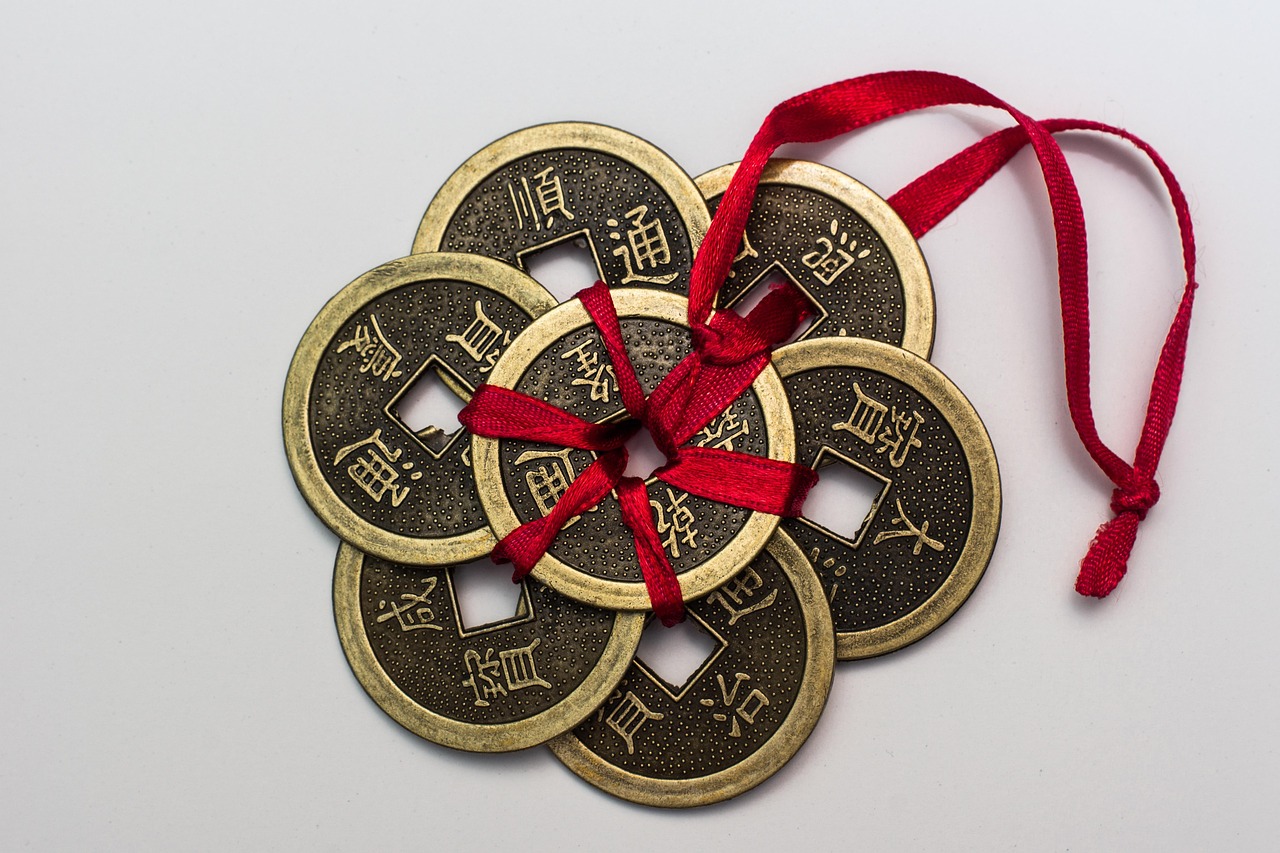
THE history of chinese currency it is inextricably linked with the history of China itself and spans more than two thousand years. Long before modern banking systems appeared, China used metal coins with a characteristic square hole in the center, so that they can be roped and carried easily. Since ancient times, the Chinese state understood that money was not just a medium of exchange but a tool of organization, taxation and control of the economy. This philosophy would follow the Chinese currency throughout its subsequent course.
During the 7th century, China took a historic leap that forever changed the way we perceive money: her invention of paper money. During the Tang and Song dynasties, trade had developed so strongly, so that the use of heavy metal coins had become practically impossible. The solution was paper, a material that China already knew and used centuries before the West. The first banknotes were issued under state control, they bore seals and stern warnings against counterfeiting, showing early on the importance the state attached to the stability of the currency.
THE modern form of Chinese currency appeared the 1948, shortly before its establishment People's Republic of China, with its establishment Renminbi as a single national currency. In a country emerging from decades of political instability, civil strife and currency chaos, the new currency was a tool for unification and economic stability. From then until today, the Renminbi remains tightly controlled by the state, with its parity largely determined centrally, which reflects the long-standing Chinese perception that money is primarily a matter of state responsibility and not an unregulated market.
Banknotes and coins in China
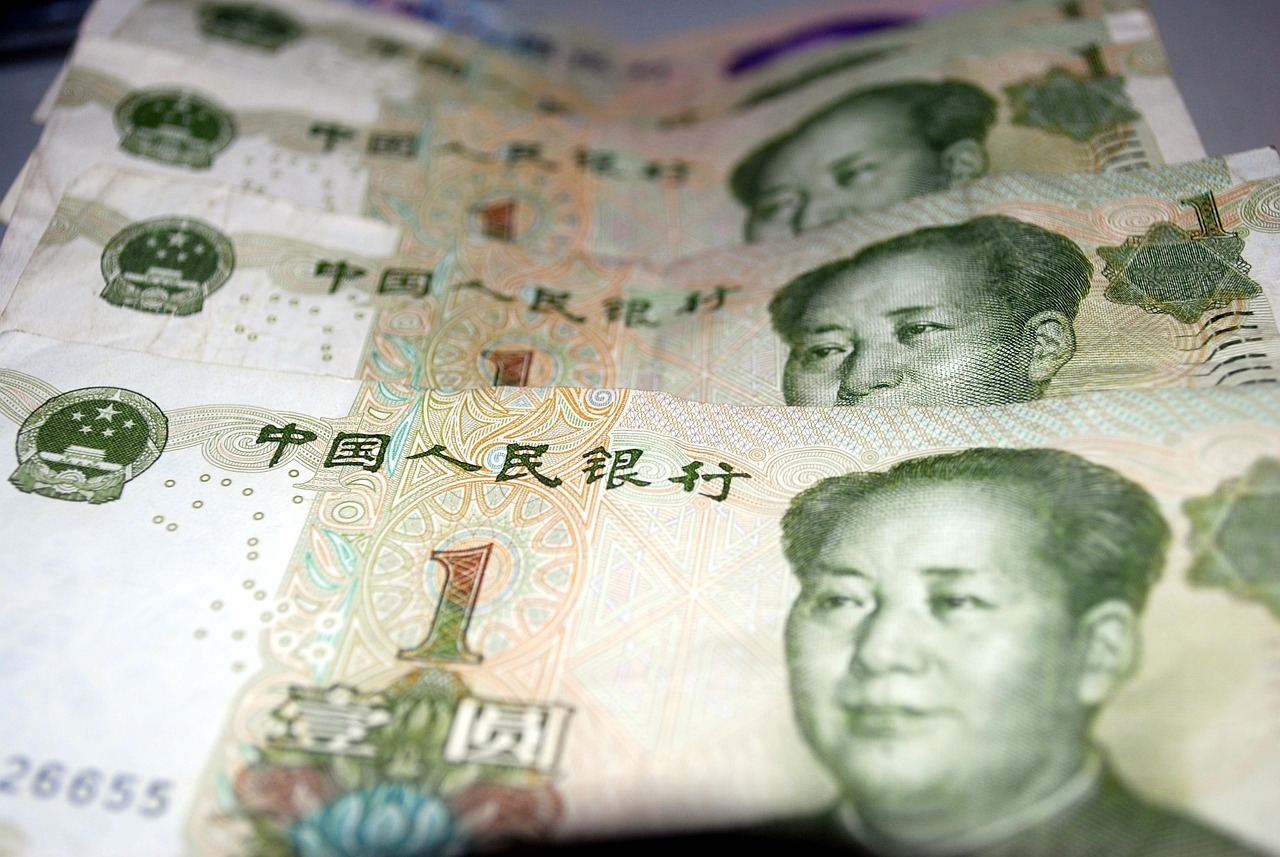
In everyday life in China, the currency you will use most often is the yuan note, with the most common denominations being the 1, 5, 10, 20, 50 and 100 yuan. These values cover almost all transactions, from a simple coffee or a ticket, for transport to larger purchases and payments in shops and hotels. Although digital wallets now dominate in major cities, banknotes remain perfectly acceptable and useful, especially in smaller businesses and more traditional areas.
One of the most characteristic and unusual elements of the Chinese yuan is that all banknotes they depict the same person: Mao Zedong. This choice was not made for aesthetic reasons, nor out of habit, but it is a clear political and cultural statement. Mao's presence on each banknote acts as a symbol of unity, stability and continuity of the Chinese state, recalling the central role of the state and its historical path in the daily economic life of citizens.
At the same time, yuan notes are considered among the safest in the world, as they incorporate modern and advanced protection features. They feature watermarks that become visible in light, color variations that change depending on the viewing angle and detailed microprints that are difficult to fake. All this makes the Chinese currency highly reliable in transactions and strengthens the confidence of both citizens and visitors who use it.
Payments in China: card or cash?
China is rightly considered the world champion in digital payments, with applications such as WeChat Pay and Alipay becoming an integral part of everyday life. From restaurants and shops to transport and vending machines, most transactions are done with a simple mobile scan. For the locals this is self-evident, but for the traveler the picture is different and often more complicated than it appears at first glance.
Most Chinese digital payment apps require certain conditions to be fully functional. They often require a Chinese bank account, local identification or connection to a domestic phone number, while in several cases foreign cards are either not accepted or are supported with restrictions. This means that the visitor can easily find himself in the unpleasant position of not being able to pay, even if it is located in a country that is considered technologically advanced in the field of payments.
For this reason, cash remains essential for anyone traveling to China. In everyday situations like street food, the local markets, the small shops, taxis or transactions in rural and less touristic areas, paper money is still the safest and most immediate form of payment. Having Chinese yuan with you, you avoid delays, embarrassment and limitations, and you enjoy your trip with greater comfort and confidence.
Euro - Chinese Yuan exchange rate
Parity Euro – Chinese Yuan (EUR/CNY) it changes daily and is affected by the policy of the Central Bank of China. Chinese currency it does not move freely like other international currencies, which means that its fluctuations are more controlled.
For the traveler, this translates into something simple: it matters where and when you do your exchange.
Where to do foreign exchange safely
If you are preparing for a trip to China, the smartest move is to have your Chinese Yuan ready before you leave Greece. This is how you avoid last-minute panic and unpleasant surprises that often accompany foreign exchange. Exchanges at airports, local exchange desks or even banks outside Greece usually operate with worse exchange rates, while there are many times when hidden fees and commissions are added that increase the final cost without you realizing it.
Making your change in advance, you have complete control over your money and know exactly what you are getting. THE Capital Exchange enables you to buy Chinese Yuan at clear exchange rates, without commission and with procedures that are done quickly and safely. There is no fine print, no nasty surprises at the last minute. Only transparency and certainty.
With many years of experience in foreign exchange and stores all over Greece, you can prepare your trip properly and without stress. Online ordering and pickup is also possible, so that you have your money ready on time.
Conclusion: What to remember before you leave
The Chinese Yuan is not just a currency. It reflects the way China works: control, organization, consistency and technology.
If you are traveling for the first time, don't rely solely on cards or apps. Cash remains essential with the Capital Exchange, you ensure clear rates, decades of experience and stores across the country to secure your exchange before you leave. No stress and no surprises.
